





FinancialHelpFinder: Guide to US Financial Assistance
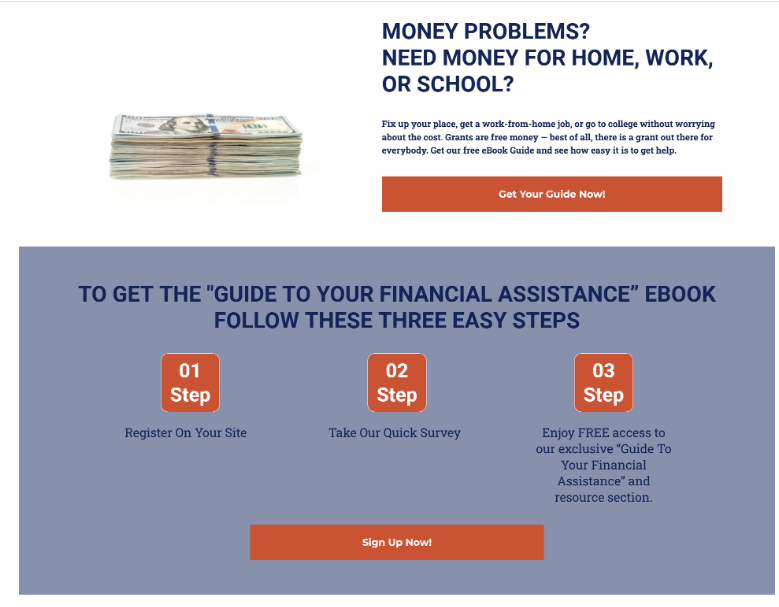
FinancialHelpFinder serves as an informational pathway to identify legitimate local, state, and federal aid programs across the United States. Navigating emergency funding, living expense relief, or public benefit options requires clear knowledge of available resources and verified application pathways.
Individual household income, geographic location, and specific hardship circumstances decide which assistance options are suitable. Taking structured steps to identify official providers helps households obtain needed relief while keeping personal data secure.

Understanding the Role of FinancialHelpFinder
FinancialHelpFinder refers to centralized directory platforms and navigational systems that catalog public and private financial assistance programs. Rather than distributing funds directly, these search tools aggregate verified contacts for government agencies, charitable foundations, and community nonprofits.
Finding appropriate support often feels overwhelming due to the fragmented nature of social safety nets. Directory tools organize available help by geographic jurisdiction and assistance category, reducing the friction involved in identifying relief for immediate living expenses.
Assistance directories provide program information and referrals; actual program enrollment requires applying directly through the administering agency or nonprofit provider.
Using a structured search approach helps applicants connect with authorized caseworkers, utility customer care representatives, and community housing advocates who administer active grant allocations.

Core Categories of Financial Assistance
Relief programs in the United States address several critical areas of basic living needs. Identifying the appropriate category helps applicants locate specialized agencies equipped to handle specific emergency or ongoing needs.
| Assistance Type | Common Source | Primary Purpose |
| Housing Support | State Housing Agencies | Help with rent, eviction prevention, or emergency shelter placement |
| Utility Relief | Energy Assistance Providers | Bill reduction or crisis grants for heating and electric power |
| Food Aid | Community Food Banks | Nutritional support through supplemental programs and local pantries |
| Health Coverage | Public Health Plans | Low-cost clinic access, prescription relief, and subsidized care |
| Debt Counseling | Nonprofit Credit Counselors | Structured repayment counseling and financial education support |
Housing assistance programs provide rental support, temporary housing, and mediation between tenants and property managers. Local housing authorities often coordinate these funds alongside federally backed community development initiatives.
Energy and utility assistance programs collaborate with utility providers to prevent service disconnections during peak summer and winter seasons. Food security programs operate through regional pantries as well as structured nutrition assistance accounts.
Medical and debt relief resources focus on resolving overdue obligations without high interest charges. Certified nonprofit credit counseling agencies review household cash flow to establish realistic debt management arrangements.
Qualifying Criteria for Relief Programs
Qualification standards vary between funding organizations, but most public and community programs evaluate a core set of economic and social indicators. Understanding these baseline criteria helps applicants determine where to submit documentation first.
- Gross household income evaluated against the local area median income.
- Documented financial crisis such as sudden job separation, medical illness, or unexpected home repairs.
- Household composition, including the presence of minor children, elderly members, or individuals with disabilities.
- State or municipal residency status matching the service territory of the provider organization.
Some programs offer categorical eligibility, which means participation in one public program automatically qualifies the household for related support. Energy assistance programs, for instance, frequently streamline intake for households receiving nutritional assistance.

How to Search and Apply for Aid
Approaching the application process methodically reduces delays and helps track submissions across multiple agencies. Following an orderly series of steps clarifies what paperwork to assemble and where to follow up.
- Gather core identification, recent pay stubs, income tax returns, lease agreements, and overdue utility statements.
- Use official community databases and community hotlines such as 211 to identify active funding pools in the immediate area.
- Submit formal applications through the official web portal or local physical office of the designated provider.
- Record confirmation codes, caseworker names, and expected decision dates for each submitted request.
When applying for rental assistance, communicating with the landlord or leasing office early helps establish payment arrangements while applications process. Many housing initiatives require direct participation and verification from property owners before issuing funds.

Verifying Providers and Avoiding Scams
Predatory operators frequently mimic official relief programs to steal personal information or collect upfront fees. Exercising vigilance protects household identities and ensures sensitive financial data remains confidential.
Legitimate government relief programs and reputable charities never charge an application fee or demand payment via gift cards or wire transfers to release assistance.
Verify that web addresses end in .gov for official federal, state, and municipal programs, or .org for established charitable institutions. When an organization claims nonprofit standing, verify its tax-exempt designation through public registry tools before sharing social security numbers or banking records.
Unsolicited calls, text messages, or direct messages on social media offering instant relief grants should be treated with extreme caution. Genuine aid administrators require verifiable documentation and formal intake procedures rather than informal instant payouts.

Frequently Asked Questions
Does FinancialHelpFinder distribute money directly to applicants?
FinancialHelpFinder functions as an informational directory and navigation guide rather than a funding source. All monetary assistance is disbursed directly by official government departments, regional utility providers, or licensed nonprofit organizations.
Are there fees required to apply for government financial assistance?
Legitimate public assistance programs do not require application fees, processing costs, or payment guarantees. Any request for upfront payment to unlock grant money indicates a fraudulent offer.
What documents are typically needed for an assistance application?
Applicants generally need government-issued photo identification, proof of income, recent utility or rent bills, and proof of household residency. Specific agencies may also request bank statements or written termination notices.
How can community organizations assist with the application process?
Local community action agencies and call centers provide intake counseling, explain documentation checklists, and help navigate agency forms. They assist applicants in determining which active funding pools match current household circumstances.
Moving Forward With Financial Support
Navigating financial assistance requires steady preparation, careful documentation, and reliance on verified public institutions. Begin by cataloging urgent obligations, checking local eligibility rules, and submitting complete applications through trusted community channels.